
reflections

Reflections

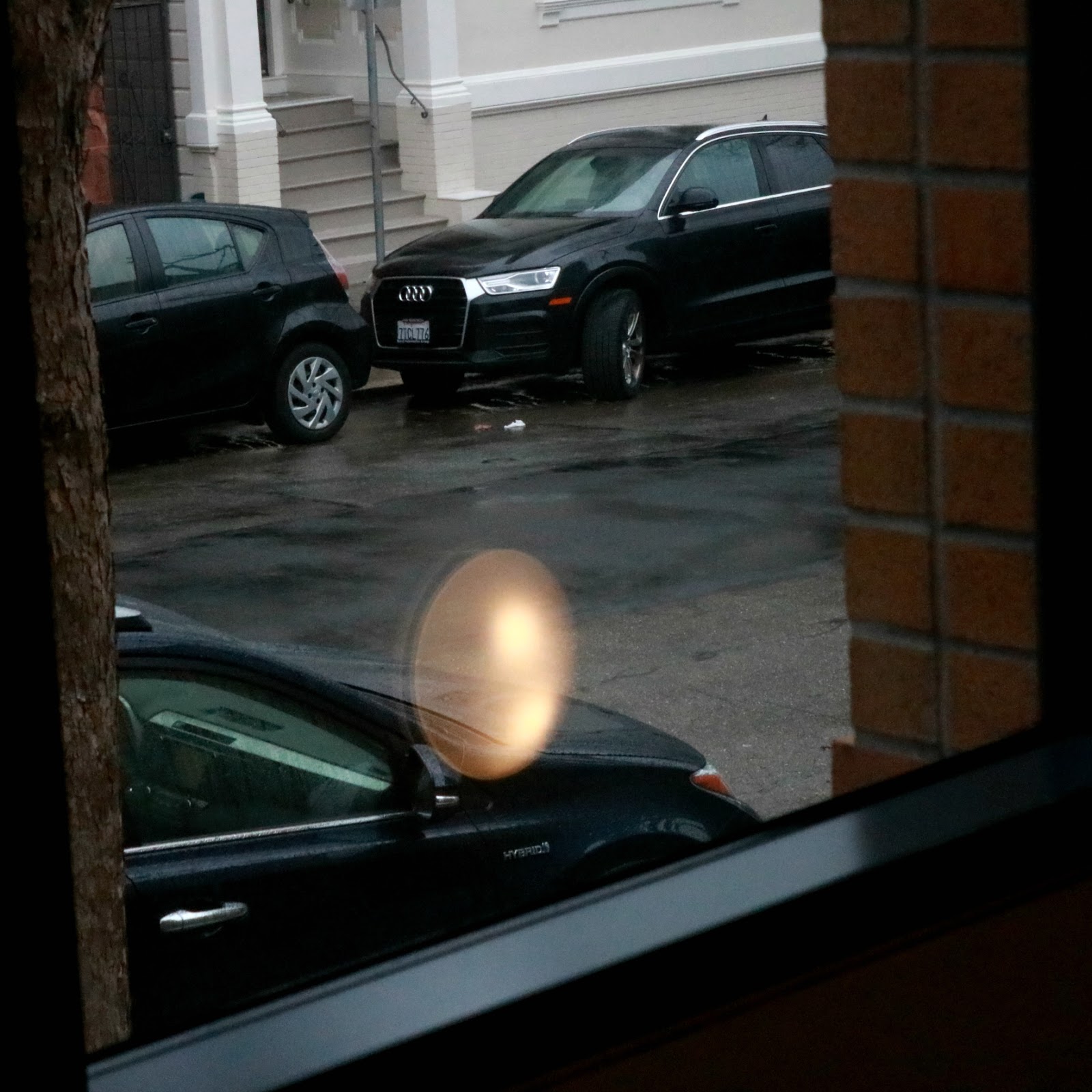
While taking these photographs I tried to see the world that is hidden inside of the reflections in store windows, mirrors, and even vending machines. I took the photos with the idea that there is something hidden in the world behind the windows. Most of the photos are in black and white to help create a common theme and that they flow and seem cohesive. The images are hopefully supposed to be a little funny with the captions.


Comments

Popular posts from this blog

Composition 3

For this series of photos, I used several techniques such as a symmetry symmetry and balance. Symmetry is when the image is perfectly equal in all ways the left exactly matches the right and vice versa. Asymmetry is when the right does not match the left and vice versa. Balance is when there are two objects of close to equal weights on both sides of the frame.  Asymmetry   Symmetry Balance

Draft 3

Draft 3 For my third draft, I tried to make the people interacting as much as possible with the environment as much as possible. I tried to make it obvious that it was a small person in a big world and that they had to solve a problem in this big world. For example in my second image, you see him lifting a giant rock which in reality is a pebble. This set of images was taken with the intent to make you do a double take and to make you think about where they were taken.

Composition

Triangular composition is a way of organizing a picture in ways that the frame is divided into a triangle. A famous example of this is the Mona Lisa the picture is arranged in a way that the head and shoulders appear to be triangular. In these photos, you should look for elements that hint at being triangular.  The one-thirds composition is when the picture is arranged with the focus being on one-third of the frame while the other two frames are blank or not the main focus. When viewing these images look for the two vacant frames. diagonal composition is when one line or two crosses the frame separating it into two or more sides. This results in the frame tending toward more diagonal and if you squint your eyes the photo appears to move or slide diagonally.